AIMBE
AIMBEThis page highlights the tangible impact of AIMBE’s advocacy, public engagement, and programs elevating medical and biological engineering for the benefit of society. By contributing to AIMBE’s Voices of Innovation Fund, we can expand these efforts, amplify the voices of our community, and shape the future of research and innovation.

AIMBE’s Impact
Advocacy Impact
Capitol Hill Days Supporting Biomedical Research
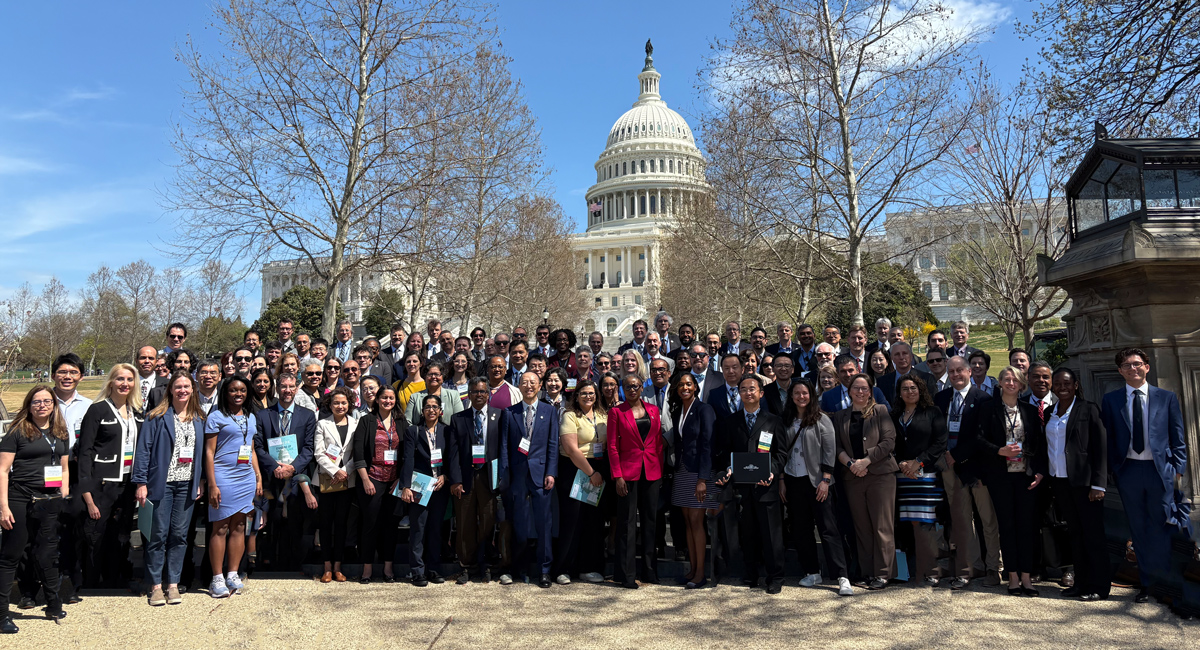
AIMBE Fellows, Emerging Leaders, and Council Representatives have participated in hundreds of Capitol Hill visits, ensuring Members of Congress hear directly from biomedical engineers about the issues that matter most to them.
- Over 300 Fellows representing 40 states have participated in meetings, facilitated by AIMBE, with their Members of Congress and legislative staff.
- In 2026, AIMBE hosted its largest Hill Day during our Annual Event. Over 130 advocates across industry and academia advocated for federal funding for science and participated in congressional visits
With increased support from your contributions, AIMBE can offer more opportunities for Fellows to participate in Capitol Hill Days and bolster our ability to directly educate policymakers on the value of medical and biological engineering work.
National Letter Writing Campaigns
The collective voice of our researchers and the public elevates awareness of timely issues faced by the scientific community, informs evidence-based science policies, and ensures that healthcare innovation remains a national priority.
In 2025, over 1,200 AIMBE advocates sent over 7,000 letters to 376 Members of Congress across 45 U.S. states on the importance of biomedical research.
AIMBE-Led Advocacy Training Sessions at Conferences
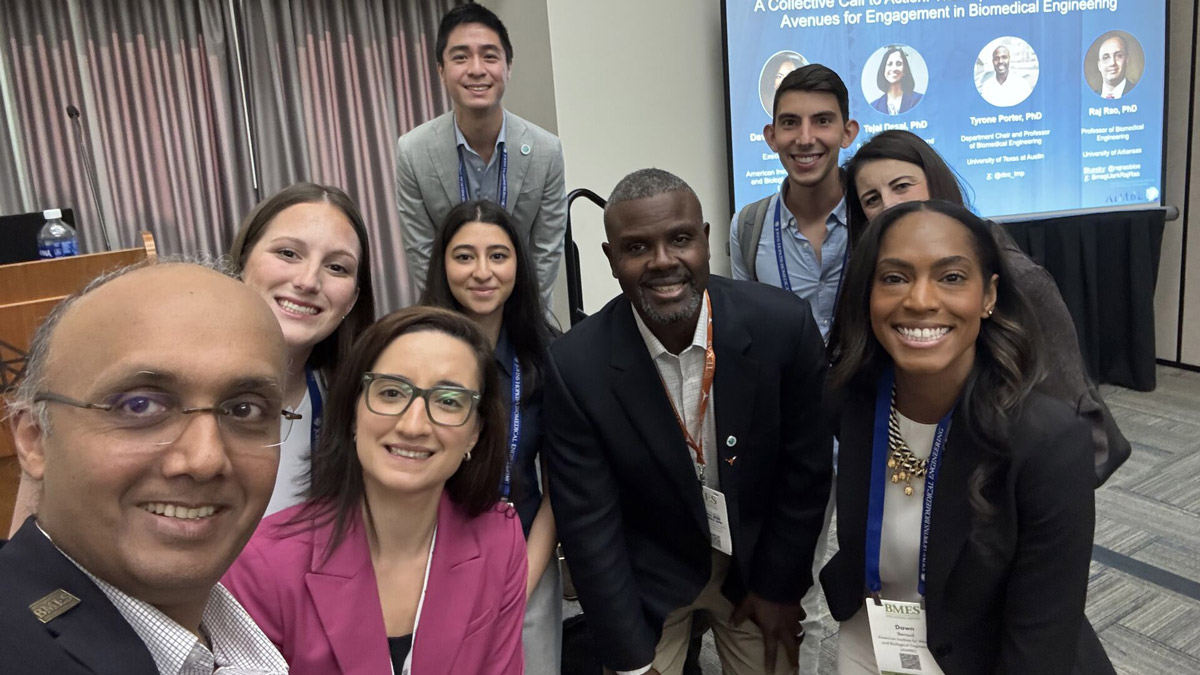
AIMBE extends its impact by facilitating in-person training sessions for attendees of all career stages at scientific meetings. During these sessions, AIMBE emphasized the critical role of advocacy, with AIMBE staff, Emerging Leaders, and Fellows sharing their journeys with public engagement and advocacy and the impact that these activities have had on the field.
In 2025, AIMBE led workshops and symposia at eight conferences, including:
- Summer Bioengineering Conference (SBC) Annual Meeting
- American Society of Biomechanics (ASB) Annual Meeting
- American Society for Bone and Mineral Research (ASBMR) Annual Meeting
- Biomedical Engineering Society (BMES) Annual Meeting
- Tissue Engineering and Regenerative Medicine International Society Americas (TERMIS-AM) Annual Meeting
- American Society for Matrix Biology (ASMB) Biennial Meeting
As a result of attending these training sessions, our participants reported:
- Significant growth in their confidence to advocate (2.76/5.00 to 4.04/5.00)
- High value of the overall workshops (4.67/5.00) and AIMBE-led presentations (over 4.50/5.00 for all speakers)
- Strong interest in participating in the following advocacy activities:
- Organizing or participating in a laboratory tour for non-scientists (56.25% of survey respondents)
- Organizing or participating in a STEM outreach event with older adults (53.75% of survey respondents)
- Enrolling in a science communication course or training (52.5% of survey respondents)
With increased support from your contributions, AIMBE can further extend our advocacy footprint by offering additional hands-on training sessions at more conferences, including international scientific meetings, to empower biomedical researchers to confidently engage with non-scientific audiences.
Supporting Our Trainees: AIMBE’s Public Policy Institute for Rising Leaders
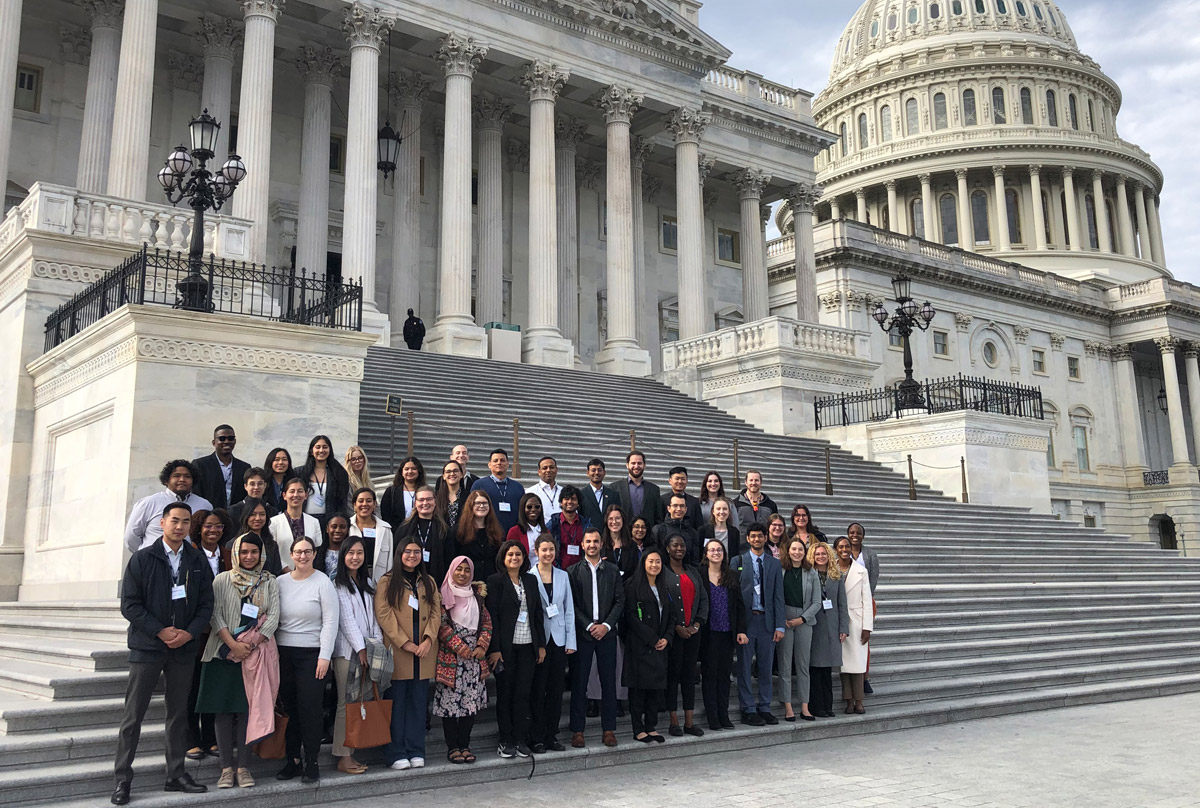
AIMBE’s annual Public Policy Institute, a highly acclaimed two-day science policy workshop, provides trainees with early exposure to the importance of advocacy for biomedical research by demonstrating how public policies shape the overall scientific enterprise.
- Since 2014, over 460 trainees have participated in AIMBE’s Public Policy Institute.
- To date, AIMBE has provided over $140,000 in travel awards to undergraduate and graduate students to attend this event.
As a result of attending AIMBE’s 2025 PPI, our participants reported:
- High value of the event (4.44/5.00), with 96.4% of respondents indicating that they would be likely to recommend the program to their colleagues
- Significant growth in their knowledge of advocacy (2.52/5.00 to 4.24/5.00)
With increased support from your contributions, AIMBE can offer additional travel awards and/or reduce the program’s registration fee to make participation accessible to more trainees nationwide.
Industry Engagement: AIMBE Launches the BEMA Roundtable Initiative
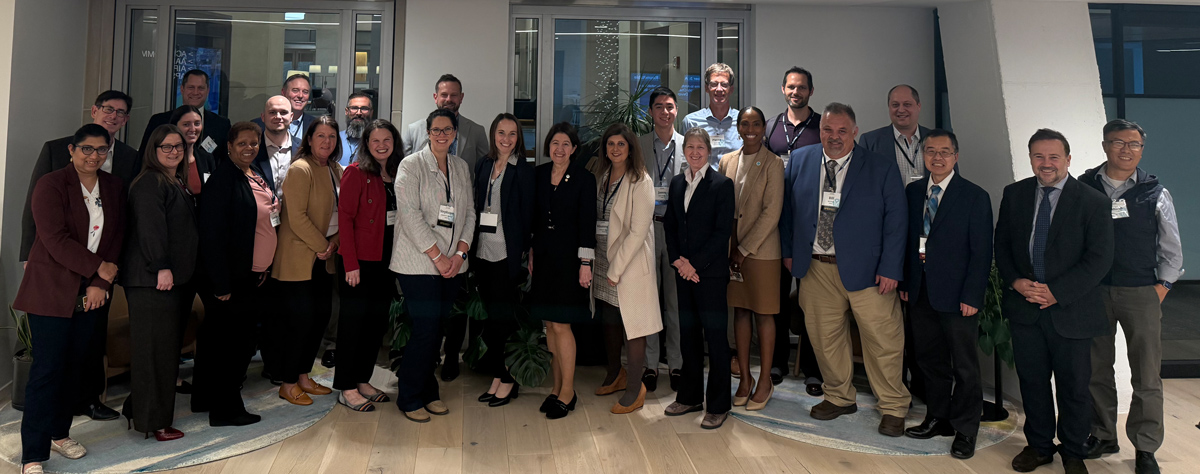
AIMBE’s Biomedical Engineering Multidisciplinary Alliance (BEMA) Roundtable brings together leading experts from industry, academia, and government (e.g., FDA) to address pressing challenges in the biotechnology sector.
In 2025, AIMBE kicked off this initiative with a BEMA Roundtable on “Building Supply Chain Resilience in the Medical Device Industry” in Washington, D.C.
- This event convened over 30 cross-sector experts from 20 organizations for a full day of technical presentations, closed-door discussions, and networking
- Over 90% of participants indicated that they would be very or extremely likely to attend another AIMBE BEMA Roundtable
AIMBE is actively leading community-wide efforts to follow up on these important conversations and looks forward to our next two BEMA Roundtables in 2026 (e.g., potential topics on regulation of combination products, AI and healthcare).
With increased support from your contributions, AIMBE can host additional BEMA Roundtables and better champion policy-driven solutions that will strengthen the biomedical innovation ecosystem.
Federal Science Advocacy and Partnerships
For more than three decades, AIMBE has helped shape national science and technology policy by ensuring that the voices of medical and biological engineers are heard in Washington. Our advocacy has protected and strengthened federal investment in NIH, FDA, and others, elevated the role of engineering in health innovation, and brought scientific expertise directly into critical policy conversations.
- In 2024, AIMBE launched the Friends of NIBIB (FoNIBIB) coalition to unite stakeholders to support the National Institute of Biomedical Imaging and Bioengineering. In 2025, the coalition had 12 member societies organized to advocate for NIBIB
- Through FoNIBIB, AIMBE organized briefings to highlight emerging biomedical technologies and research priorities, hosted an NIBIB campus tour for over 50 congressional staffers showcasing extramural and intramural research supported by NIBIB, and developed one-pagers and resources to explain NIBIB priorities, including New Approach Methodologies (NAMs)
With increased support from your contributions, AIMBE plans to expand its advocacy footprint with targeted focus on the institutes and agencies that drive medical and biological engineering advancement including, NIAMS, NCATS, NCI, NINDS, ARPA-H and others that fund much of the research conducted by the AIMBE community.
AIMBE’s Emerging Leaders Program
The goal of AIMBE’s Emerging Leaders Program is to increase AIMBE’s engagement with exceptional professionals that are underrepresented in medical and biological engineering (MBE), recognize outstanding rising leaders in MBE, and serve as a pipeline for leaders to AIMBE’s College of Fellows.
- Since its inception in 2025, AIMBE has selected 26 Emerging Leaders to be recognized for their achievements and be mentored by AIMBE Fellows.
With increased support from your contributions, AIMBE can expand professional development opportunities (e.g., conference travel and support, workshop attendance, and additional training) for our Emerging Leaders.
Expanded Programming:
Regional Events
AIMBE organizes regional events that bring medical and biological engineers together with local communities, industry partners, and non-scientists to highlight the real-world impact of biomedical innovation. These programs extend our work beyond Washington, D.C. and demonstrate that meaningful advocacy and public engagement can happen anywhere.
In the past two years, AIMBE hosted regional events in Boston and Chicago that featured hands-on technology demonstrations, research lab tours, and interactive conversations between scientists and community stakeholders. These activities highlighted how biomedical engineering drives local innovation, supports economic growth, and improves health.
With increased support from your contributions, AIMBE can broaden the reach and scale of future regional events (including international sites) through deepened community engagement efforts (e.g., public tours of local research laboratories and biotechnology companies).
Public Engagement
The current political climate and rapidly evolving science landscape have illuminated a growing disconnect between scientists and the general public. To bridge this gap–and better reach communities that may be skeptical of science–AIMBE is partnering with communication experts to offer training on public engagement skills necessary to engage with non-scientific audiences.
In 2025, AIMBE hosted a virtual science communication workshop on practical communication skills, highlighting challenges, strategies, and key “do’s” and “don’ts.” As a result of attending this virtual workshop, participants reported significant growth in their confidence in explaining their work through various avenues and confidence with communication best practices (e.g., sharing stories, not data and responding to misinformation). The event provided high value (4.55/5.00) with the majority indicating that they would likely attend another workshop (4.62/5.00).
With increased support from your contributions, AIMBE can expand public engagement training opportunities—both virtually and in person—to equip the scientific community to communicate their work more accessibly and contribute to rebuilding public trust in science.
AIMBE and its members will continue leading the effort to advance the future of medical and biological engineering innovation. Click the donate button to help us advance these efforts by supporting AIMBE’s Voices of Innovation Fund.